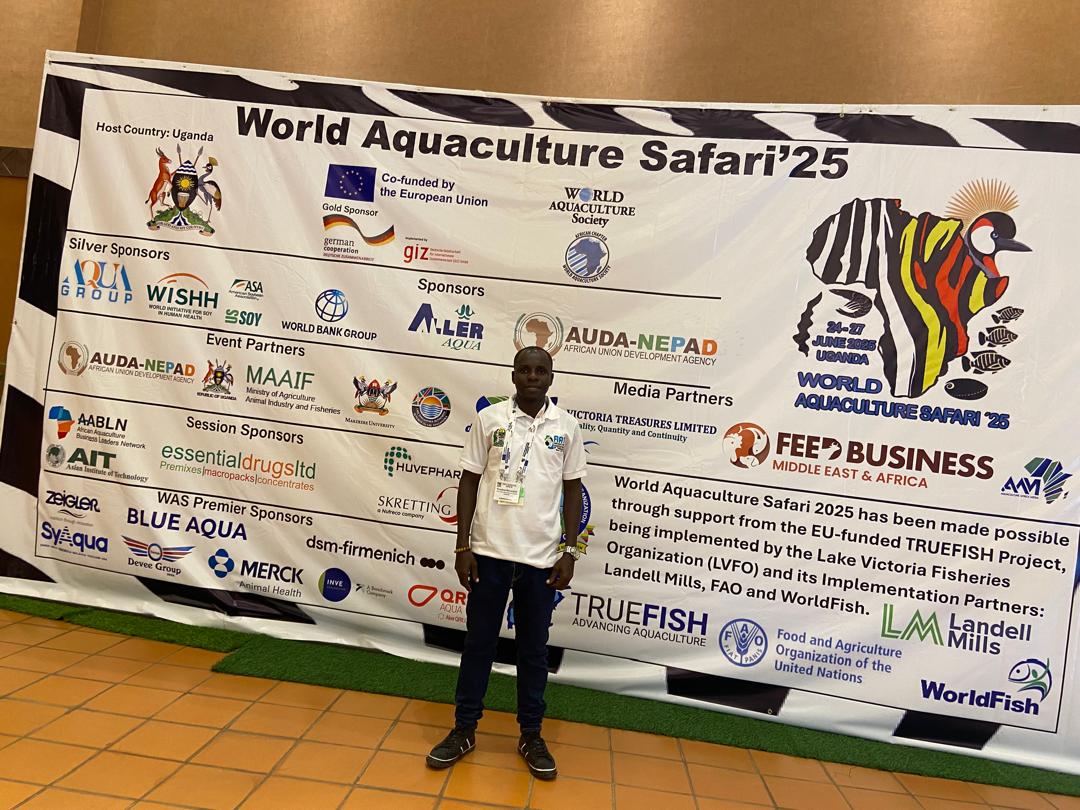
Community aquaculture can create more than fish supply when programmes are designed around real participation, practical skills, and workable local ownership.
The impact is usually stronger when training, follow-up, and market thinking stay connected instead of being treated as separate stages.
That wider design matters because community outcomes are most durable when people can both operate the systems and see a viable reason to keep them active.
What this covers
- Link skills to practical local ownership
- Keep training, follow-up, and markets connected
- Design programmes around realistic community use
More from the field